

Channel partnerships
Distributor & Project Partner Enquiries
For companies evaluating modular-building distribution or project cooperation, start with the target market, customer sectors and product systems you intend to support.
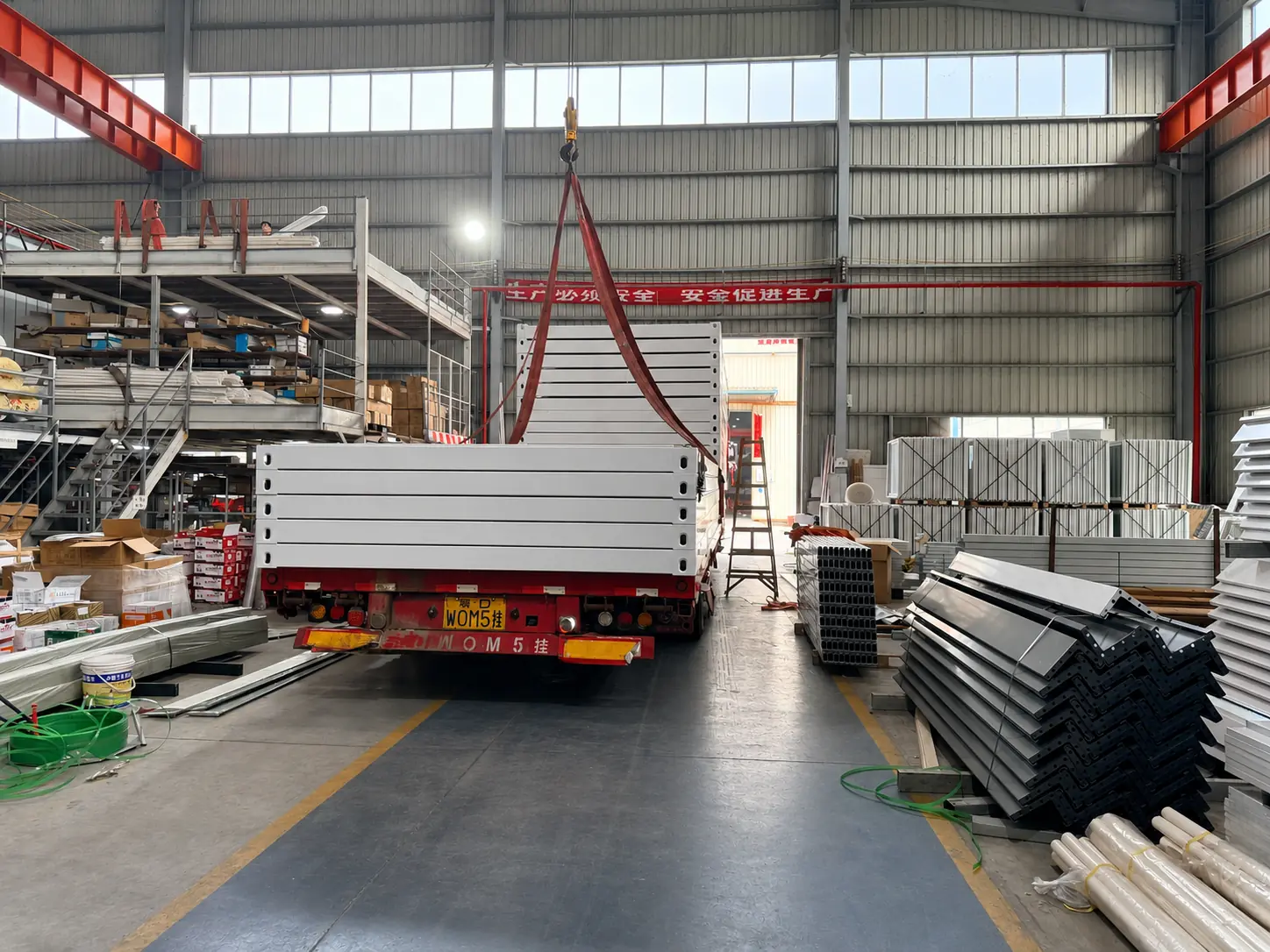
Partnership fit
Define the market role first
Premium Modular House reviews each opportunity against product fit, local responsibilities and realistic order requirements. Distribution status, territory and commercial terms are not assumed before review.
- 01
Market & customer sectors
State the country or region, customer types and primary applications you plan to develop.
- 02
Product focus
Identify the building systems and configurations relevant to your market or current opportunity.
- 03
Sales & technical coverage
Describe how your team qualifies enquiries, gathers requirements and coordinates local technical questions.
- 04
Local project responsibilities
Explain how local approvals, site works, installation and customer support would be managed.
Product scope
Choose the right product range
Use the current product and solution pages to identify a starting range. Final dimensions, materials, fit-out and supplied scope remain subject to the selected model, quotation and approved drawings.
Container House Systems
Detachable, flat-pack, folding and expandable systems for accommodation, offices and supporting facilities.
Camp & Specialty Systems
Camp buildings and project facilities planned around occupancy, site access, utilities and the required functions.
Steel & Prefab Buildings
Light-steel and prefabricated building categories that require a project brief before configuration is confirmed.
Space Capsule Houses
Factory-prepared accommodation units for tourism and hospitality projects, subject to model and destination review.
Working process
A clear path to partnership review
The process separates early product discussion from project-specific quotations and any later written partnership agreement.
- 01
Share the partner profile
Introduce the company, market coverage, customer sectors and relevant project experience.
- 02
Define the starting range
Review the product systems, intended applications and destination requirements.
- 03
Review a real opportunity
Where available, use an active enquiry to confirm quantities, configuration, responsibilities and quotation inputs.
- 04
Confirm the commercial basis
Pricing, order conditions, territory and support scope are documented for the reviewed cooperation model.
- 05
Coordinate approved orders
Production information, packing, export documents and installation resources follow the confirmed order scope.
Scope boundaries
Set clear scope responsibilities
Clear responsibility boundaries reduce gaps between product supply, destination requirements and site delivery.

Manufacturer-side review
- Product-system and configuration information
- Quotation basis and drawing coordination for confirmed projects
- Production visibility and inspection arrangements on request
- Packing, export documentation and shipment coordination
- Available installation drawings and instructional resources
Local partner responsibilities
- Market development and customer requirement collection
- Destination regulations, approvals and professional review
- Site access, foundations, utilities and local works
- Installation labour, equipment and site safety planning
- Customer support responsibilities agreed for each order
Partner enquiry
Prepare your partner profile
Include enough information to identify the relevant product range and the responsibilities that require further discussion.
Submit Partner Information- Company
- Business name, website and primary contact
- Market
- Country or region and customer sectors
- Product focus
- Systems and applications of interest
- Opportunity
- Current project or expected order pattern, if available
- Local capability
- Sales, technical, installation or customer-support coverage
Commercial questions
Review key terms
Is regional exclusivity automatic?
No. Territory and exclusivity, if applicable, require market and capability review and must be confirmed in a written agreement.
Are prices and minimum order quantities fixed?
They depend on the product, configuration, quantity, destination and commercial basis. The current quotation controls the confirmed terms.
Can local compliance be assumed from a standard product?
No. Destination requirements must be identified for project review. Local approvals and professional sign-off remain part of the destination scope.
What support is available after an order is confirmed?
The confirmed order can define production updates, packing information, export documents and available installation resources. Local service responsibilities are agreed separately.