
Products
Recommended for you

Send Your Inquiry
Emergency Shelter Solutions in Africa: Modular Buildings for Humanitarian Projects
Across Africa, humanitarian organizations, governments, and project contractors may need to provide accommodation quickly after conflicts, natural disasters, or large-scale displacement. In many cases, the challenge is not simply finding a shelter, but delivering enough safe and reliable accommodation to locations where infrastructure and construction resources are limited.
Remote project locations, difficult transportation, limited local labor, and tight deployment schedules can make traditional construction difficult to manage. When hundreds or even thousands of people need accommodation, every additional day of onsite construction can affect the overall humanitarian response.
For these projects, modular emergency shelters offer a practical alternative. Factory production, efficient transportation, and fast onsite assembly allow accommodation facilities to be prepared before reaching the project site and deployed with less onsite construction work.
This approach can support refugee camp accommodation, disaster relief housing, medical facilities, and other humanitarian projects across Africa.
During peak construction periods, the number of workers can increase significantly, requiring accommodation capacity that can adapt quickly.
A flexible worker accommodation solution allows project owners to expand facilities according to workforce changes while maintaining efficient project management.
Compared with traditional construction, modular worker accommodation provides greater flexibility through standardized production and faster installation. This makes it suitable for solar projects where accommodation needs to be prepared within strict timelines.
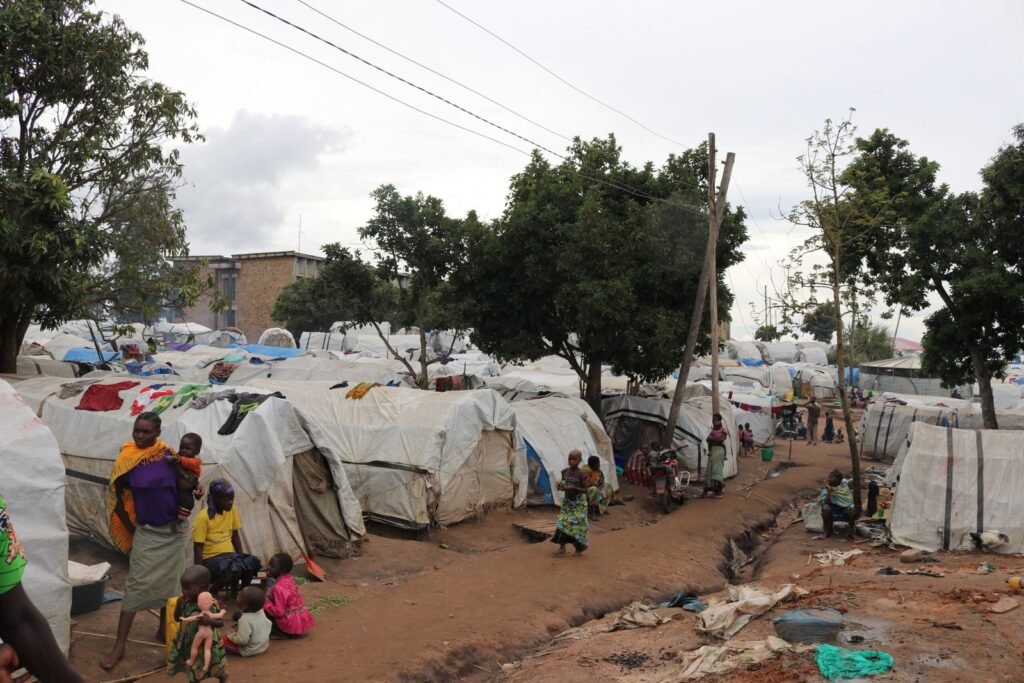
1. Why Does Africa Need Emergency Shelter Solutions?
1.1 Increasing Demand for Temporary Accommodation
Humanitarian projects across Africa can create an urgent need for temporary accommodation in different situations, including conflict-affected areas, disaster-affected communities, displaced populations, and remote relief projects.
These projects often need to accommodate large numbers of people within a limited timeframe. At the same time, the accommodation may need to include more than sleeping areas.
Depending on the project, facilities may include:
- Family accommodation
- Worker or staff dormitories
- Administration offices
- Dining facilities
- Community spaces
- Medical facilities
This means an effective emergency shelter solution needs to combine deployment speed with sufficient capacity and practical functionality.
1.2 Challenges of Building Shelters in Remote Areas
Many humanitarian projects are located away from major cities and transportation networks. Poor road conditions, limited construction materials, and a shortage of skilled workers can make conventional construction more complicated.
Before construction can begin, materials must often be sourced, transported, stored, and assembled onsite. For remote locations, these additional steps can increase both project time and construction costs.
This makes transportation and installation efficiency important factors when planning humanitarian shelter solutions.
1.3 The Need for Fast and Flexible Housing Solutions
Emergency accommodation requirements can change quickly.
The number of people requiring shelter may increase, a project may continue longer than expected, or additional facilities may be required as the humanitarian program develops.
A suitable solution should therefore provide:
- Fast deployment
- Reliable living conditions
- Flexible capacity
- Efficient transportation
- Possibility for expansion or relocation
These requirements are driving greater interest in temporary housing solutions in Africa that can be deployed and adapted more efficiently.
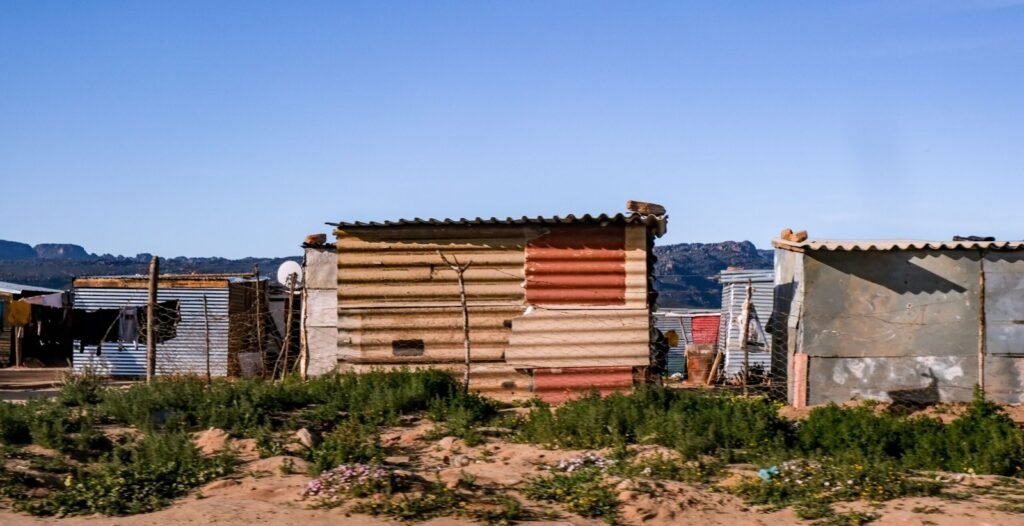
2. What Challenges Do Traditional Emergency Shelters Face?
2.1 Long Construction Time
Traditional construction usually requires several stages to be completed onsite, including foundation preparation, material delivery, structural construction, wall installation, and interior finishing.
For an ordinary building project, this process may be manageable. For emergency accommodation, however, a long construction period can delay the availability of essential facilities.
The larger the project, the more difficult it can become to coordinate onsite labor, materials, equipment, and multiple construction activities at the same time.
2.2 Difficult Transportation and Logistics
Transportation can become one of the biggest challenges when emergency shelters are required in remote areas.
Limited roads, long distances, and uncertain delivery conditions can make it difficult to transport conventional building materials efficiently.
For large-scale projects, the transportation method should therefore be considered during the shelter design stage rather than after production has already started.
A building system designed for efficient packing and shipping can help reduce logistics pressure and simplify delivery to remote project locations.
2.3 Limited Durability and Long-Term Use
Although emergency shelters are often planned as temporary facilities, some humanitarian projects continue for months or years.
A shelter that is suitable for short-term use may not provide sufficient durability or comfort for extended occupation.
For projects in Africa, buildings may also need to cope with:
- Heavy rainfall
- High temperatures
- Strong sunlight
- High humidity
- Local environmental conditions
Therefore, emergency housing in Africa should consider structural strength, material quality, weather resistance, and long-term usability—not only initial deployment speed.
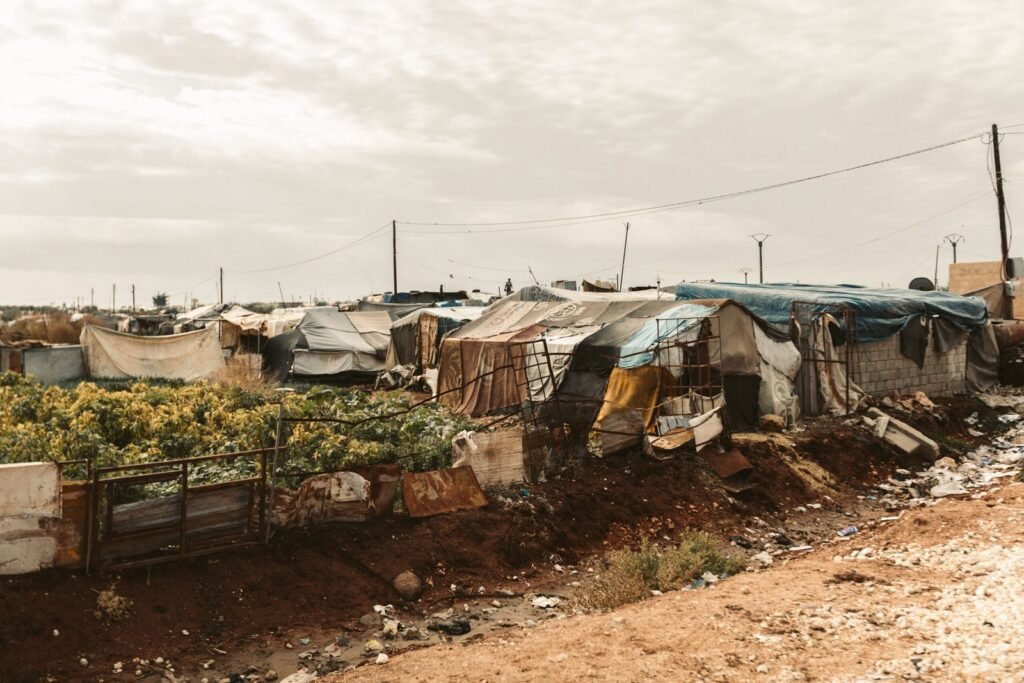
3. How Do Modular Buildings Provide Emergency Shelter Solutions?
Modular construction changes the traditional construction process by moving much of the work from the project site to the factory.
Structural components, wall panels, electrical systems, and other building elements can be manufactured and inspected before transportation. Once delivered, the units can then be assembled according to the project layout.
3.1 Factory Production Before Delivery
Factory manufacturing allows modular buildings to be prepared before they arrive at the project site.
This provides several practical benefits:
- Controlled production conditions
- Consistent manufacturing quality
- Reduced onsite construction work
- Better production scheduling
For humanitarian projects with tight deadlines, factory production can help reduce the amount of work that needs to be completed at the destination.
3.2 Efficient Transportation to Remote Locations
Transportation efficiency is particularly important when accommodation needs to be delivered to remote areas.
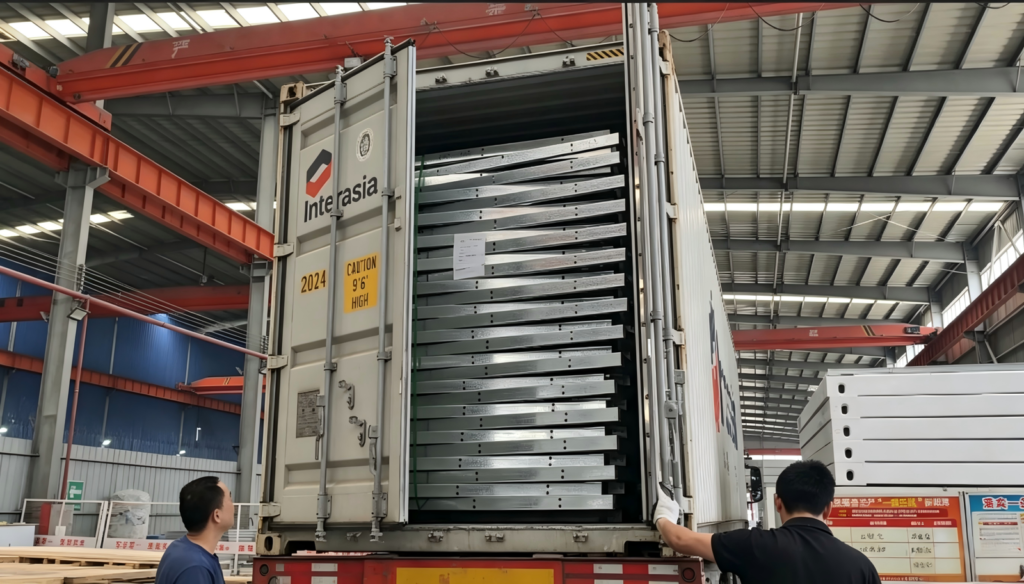
A flat pack container house is designed to optimize transportation space by allowing building components to be packed efficiently before shipment.
This can be useful when:
- The project is far from the factory
- International shipping is required
- Road access is limited
- A large number of units must be delivered
Better packing efficiency can simplify logistics planning and help project teams manage transportation capacity more effectively.
3.3 Faster Onsite Installation
After the foundation is prepared, modular buildings can be assembled using a standardized installation process.
A typical installation may include:
- Foundation preparation
- Main structure assembly
- Wall panel installation
- Electrical and other facility connections
- Interior completion
- Final inspection
Because many components are already prepared at the factory, onsite construction can be reduced compared with conventional building methods.
This can help humanitarian organizations make accommodation available sooner while reducing their dependence on a large onsite workforce.
3.4 Flexible and Expandable Accommodation
Humanitarian projects rarely remain exactly the same from beginning to end.
Additional accommodation may be required as the population increases. Offices, dining facilities, clinics, or community spaces may also need to be added later.
Modular systems can support these changes through:
- Additional units
- Flexible layouts
- Capacity expansion
- Relocation
- Reuse
This flexibility makes modular accommodation suitable for projects where requirements may change over time.
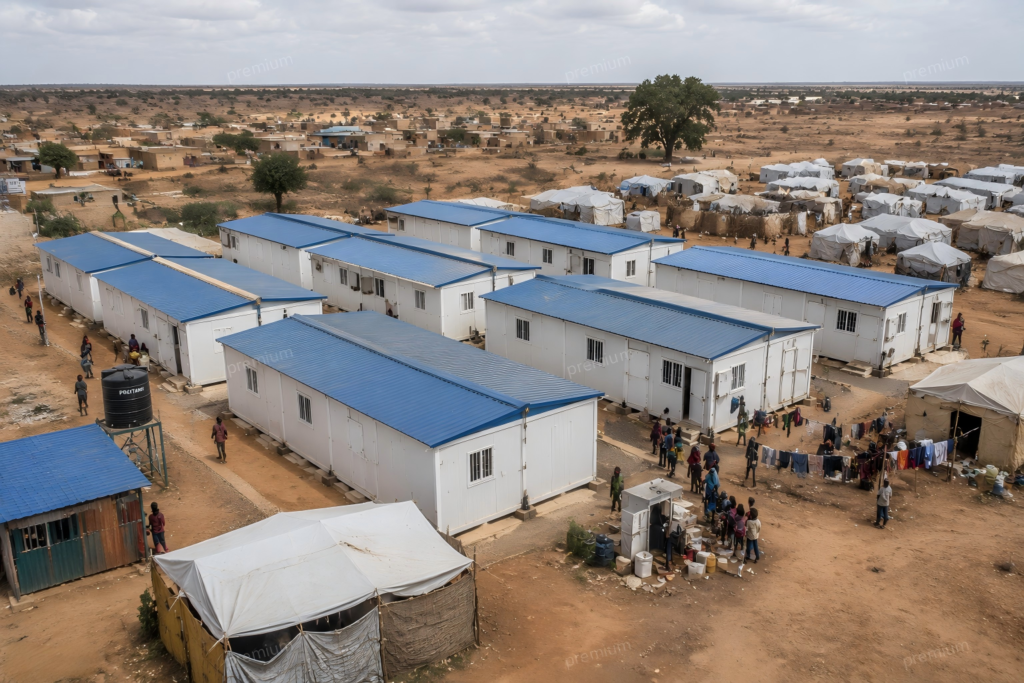
4. Applications of Modular Emergency Shelters in Africa
4.1 Refugee Camps and Humanitarian Camps
Refugee camps require accommodation systems that can support large populations while maintaining practical living conditions.
Modular buildings can be configured for:
- Family accommodation
- Dormitories
- Administration offices
- Dining facilities
- Community buildings
- Supporting facilities
For large-scale refugee camp accommodation, different building layouts can be combined to create a more complete living and service environment.
4.2 Disaster Relief Housing
Floods, storms, and other natural disasters can leave communities without adequate housing and basic facilities.
In these situations, modular buildings can provide temporary accommodation during the initial response and potentially continue to serve during the recovery stage.
Applications can include:
- Temporary family housing
- Emergency accommodation
- Recovery housing
- Temporary offices
- Supporting facilities
The ability to install additional units can also help projects respond when the number of affected people changes.
4.3 Medical and Community Facilities
Emergency projects may require medical and community facilities alongside accommodation.
Modular buildings can be adapted for:
- Temporary clinics
- Medical stations
- Community service centers
- Administration buildings
- Staff accommodation
Because the internal layout can be customized, the same modular construction approach can support different functions within one humanitarian project.
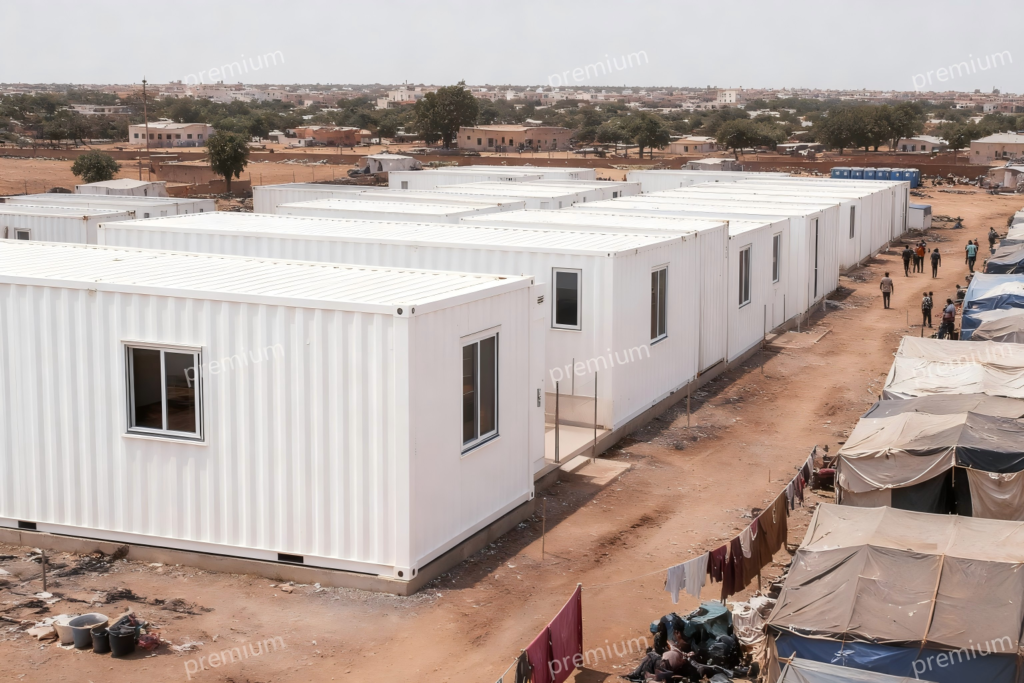
Flat Pack Container House for Emergency Shelter Projects
For humanitarian and emergency shelter projects in Africa, flat pack container houses provide a practical combination of efficient transportation, fast installation, and flexible accommodation design.
Designed for remote and challenging project locations, flat pack container houses can be configured for refugee camp accommodation, temporary housing, staff facilities, medical support buildings, and other humanitarian applications.
- Efficient transportation for overseas projects
- Fast and standardized onsite assembly
- Flexible layouts for different accommodation needs
- Expandable solutions for large-scale projects
- Suitable for remote and humanitarian environments
5. Why Are Flat Pack Container Houses Suitable for Humanitarian Projects?
For humanitarian projects where transportation and deployment speed are major concerns, flat pack container houses can provide an efficient accommodation option.
Their compact transportation design and standardized assembly process make them particularly suitable for projects requiring multiple units.
5.1 Space-Efficient Transportation
Traditional construction requires individual building materials to be transported to the project site, often through multiple deliveries.
Flat pack buildings are designed to optimize shipping space, which can simplify transportation for large projects.
Key advantages include:
- Reduced shipping volume
- Efficient container loading
- Easier overseas transportation
- Simplified logistics planning
This is particularly valuable when humanitarian accommodation needs to be delivered over long distances or to locations with limited transportation infrastructure.
5.2 Fast Assembly in Challenging Environments
Once delivered, flat pack units can be assembled onsite with a relatively standardized process.
This can reduce the amount of construction work required at the destination and help project teams establish accommodation facilities more efficiently.
For remote humanitarian projects, reducing onsite construction requirements can also help address shortages of skilled labor.
5.3 Comfortable and Durable Living Spaces
Emergency accommodation should provide more than basic shelter.
Depending on the project requirements, modular buildings can include:
- Strong steel structures
- Weather-resistant wall systems
- Insulation
- Air conditioning
- Bathrooms
- Furniture
- Customized internal layouts
This allows a flat pack container house to be configured for different accommodation standards and local climate conditions.
For long-term humanitarian programs, these features can also contribute to better living conditions and lower the need for frequent replacement.
6. How to Choose a Reliable Emergency Shelter Supplier?
Choosing a suitable supplier is as important as choosing the building system itself.
For large humanitarian projects, the supplier needs to manage production, quality control, transportation, customization, and technical support as one integrated process.
6.1 Manufacturing Capability
Start by evaluating the supplier's manufacturing capability.
Important factors include:
- Factory production capacity
- Quality control procedures
- Production consistency
- Ability to supply large quantities
- Experience with standardized modular production
For a refugee camp or large-scale humanitarian project, insufficient production capacity can directly affect the project schedule.
6.2 International Delivery Experience
A supplier may produce a good modular building but still lack the experience needed to deliver it successfully to an overseas project.
Consider the supplier's experience with:
- International exports
- Container shipping
- Overseas logistics
- Remote project delivery
- Documentation and coordination
This is especially important for projects in remote African locations where transportation conditions may be more complicated.
6.3 Customization and Technical Support
Humanitarian projects often have different accommodation standards and functional requirements.
A capable supplier should be able to support:
- Layout planning
- Accommodation capacity
- Functional zoning
- Climate considerations
- Electrical and facility requirements
- Installation guidance
Technical support can be particularly valuable when local construction resources are limited.
Conclusion
Emergency housing projects in Africa require solutions that can respond to urgent deployment schedules while overcoming transportation challenges, limited infrastructure, and changing accommodation requirements.
Modular emergency shelters provide a practical approach by combining factory production, efficient transportation, and faster onsite installation. They can be used for refugee camps, humanitarian programs, disaster relief housing, medical facilities, and other temporary or long-term applications.
For projects requiring large numbers of units, flat pack container houses can further improve transportation efficiency while providing flexible and expandable accommodation.
The right solution, however, depends on the project location, accommodation capacity, transportation conditions, climate, and expected project duration.
If you are planning a humanitarian, refugee camp, or emergency accommodation project in Africa, contact PMH to discuss a customized modular shelter solution based on your project requirements.
Frequently Asked Questions About Emergency Shelter Solutions in Africa
1 What are modular emergency shelters used for? +
2 Why are modular buildings suitable for humanitarian projects in Africa? +
3 Can modular buildings be used for refugee camp accommodation? +
4 How fast can modular emergency shelters be installed? +
5 Are flat pack container houses suitable for remote African locations? +
6 Can modular emergency shelters be expanded after installation? +
7 Can modular shelters be used for long-term humanitarian projects? +
8 How do I choose a reliable emergency shelter supplier? +
Build Reliable Modular Shelters for Humanitarian Projects
Planning a refugee camp, disaster relief project or humanitarian accommodation program in Africa? Tell us your project location, required capacity, accommodation needs and deployment schedule. We can help you develop a practical modular shelter solution for your project.
Project location, required capacity, site conditions and deployment schedule help us recommend the most suitable modular emergency shelter solution.
Why Are Some People Afraid to Buy Modular Homes? Real Concerns Explained
Based in China, Premium Modular House is a professional prefabricated housing manufacturer and global supplier of prefab house, modular house, moving house, portable house, and flat pack container house.
With over 22 years of experience, we focus on providing durable, customizable, and eco-friendly prefab building solutions with fast installation, strong steel structure, and high efficiency.
As a trusted China factory, we serve clients in 80+ countries, offering one-stop modular housing systems designed for construction sites, camps, offices, and temporary accommodation.
Premium Modular House is committed to building smarter, faster, and greener — delivering innovative designs, reliable quality, and sustainable housing for global markets.