
Insights for Smarter Container House Projects
Products
Recommended for you

Send Your Inquiry
Oil and Gas Camp Accommodation Solutions: Modular Buildings for Remote Energy Projects
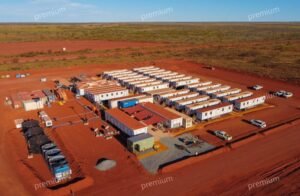
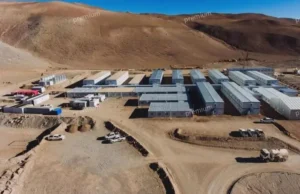
Oil and gas projects often operate far from cities and established infrastructure. Workers may need accommodation, offices, dining areas, bathrooms, and other facilities before the main project can fully start.
For these environments, oil and gas camp accommodation needs to be fast to deploy, easy to transport, and suitable for local site conditions. Modular buildings provide a practical way to create complete camp facilities while reducing construction work on site.
Whether the project requires temporary accommodation or a longer-term worker camp, choosing the right building system can also help control delivery time, installation requirements, and overall project cost.
1. Why Oil and Gas Projects Need Modular Camp Accommodation
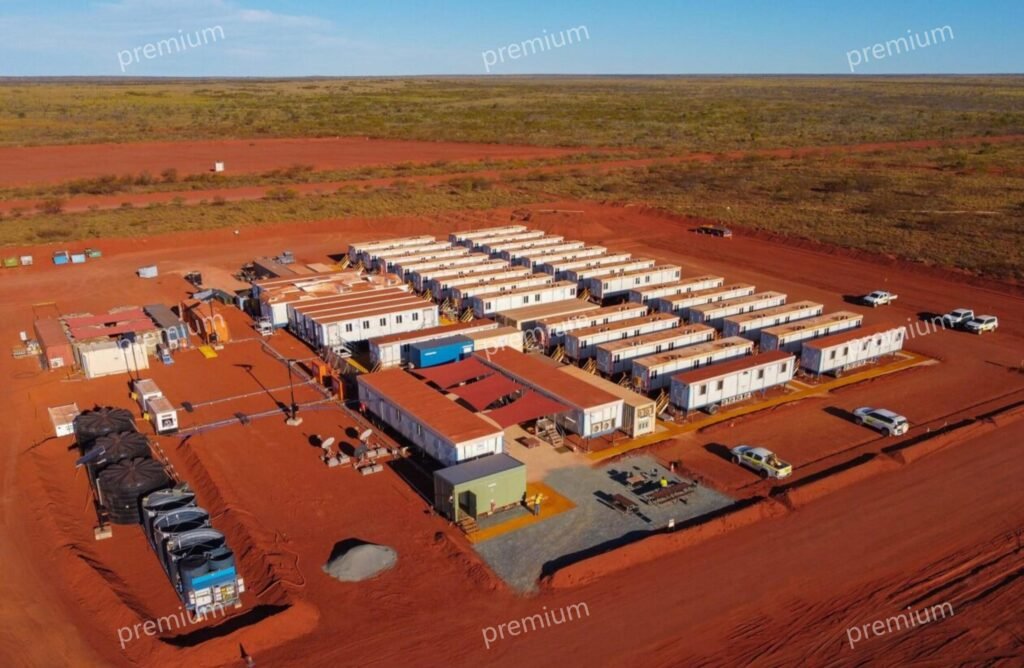
Remote energy projects often face several challenges at the same time. The site may have limited roads, utilities, labor, and existing buildings. At the same time, dozens or hundreds of workers may need accommodation within a short construction period.
Traditional construction can require more site work and a longer construction schedule. A modular building can be manufactured in a controlled factory environment while site preparation is carried out at the project location.
This approach can shorten the installation process and make project planning easier.
For a remote worker camp, modular accommodation can also be expanded as the workforce changes. Additional rooms, offices, or supporting facilities can be added according to project requirements.
2. What Should an Oil and Gas Camp Include?
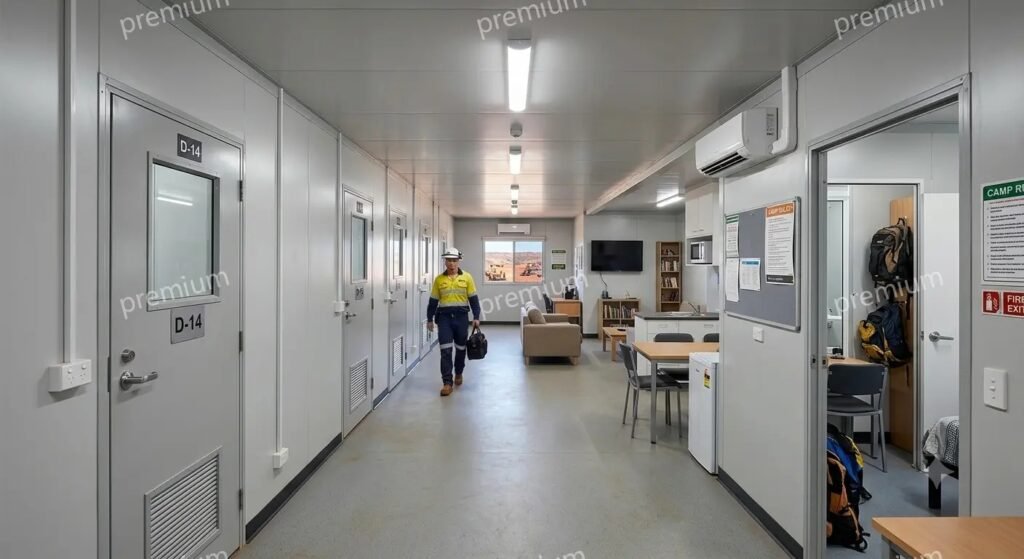
A complete oil and gas camp is more than a group of bedrooms. The accommodation plan should consider the daily needs of workers and site management.
Depending on the project, a modular camp may include:
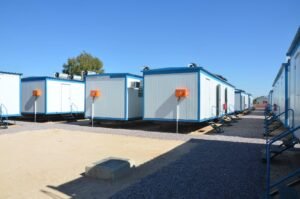
- Worker accommodation
- Site offices
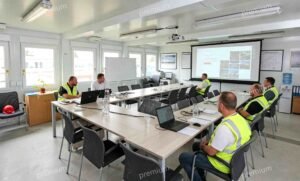
- Meeting rooms
- Dining areas
- Kitchens
- Bathrooms and showers
- Laundry facilities
- Storage rooms
- Security and reception areas
For temporary accommodation, the design should focus on fast deployment and efficient use of space. For longer projects, buyers may place more emphasis on insulation, interior finishes, comfort, durability, and future expansion.
The final layout should be based on workforce size, project duration, local climate, available land, and site access.
3. How to Choose the Right Container House for an Oil and Gas Camp
Different projects require different transportation and installation solutions. A container house can be used for accommodation, offices, storage, and other camp facilities, but the right type depends on the project.
A folding container house can be useful when transportation efficiency and rapid deployment are important. Its compact form during transportation can help reduce space requirements before installation.
A flat pack container house is another option for larger projects where multiple units need to be transported and assembled into a planned camp.
Detachable modular systems may also be considered for larger accommodation projects where flexible layouts and repeated use are important.
The key is to compare the complete solution rather than choosing a product based only on its factory price.
Flat Pack Container House Solutions for Oil and Gas Camps
Explore practical flat pack container house solutions for oil and gas camps, remote worker accommodation, site offices, dining facilities, and other energy projects.
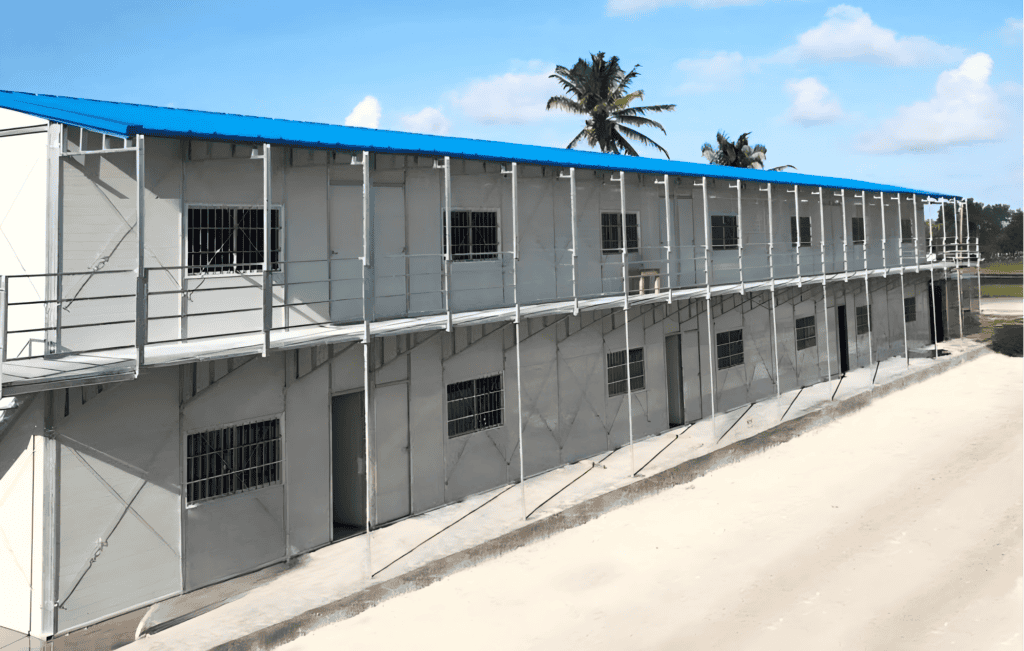
Designed for efficient transportation and fast installation, flat pack container house solutions provide a flexible accommodation option for remote oil and gas projects.
- Efficient transportation for remote energy projects
- Fast and simplified onsite installation
- Flexible layouts for worker accommodation and offices
- Suitable for oil, gas, mining, and infrastructure projects
4. How to Plan a Remote Worker Camp
Planning should start with the workforce rather than the building itself.
First, estimate the number of workers who will stay at the site and determine the required accommodation capacity. Different shifts may also affect how many rooms and supporting facilities are needed.
Next, consider the camp layout. Accommodation, offices, dining areas, sanitation facilities, and storage should be arranged to support efficient daily operations.
Climate is another important factor. Oil and gas projects may operate in hot, humid, dusty, or high-temperature environments. Building insulation, ventilation, roofing, waterproofing, and corrosion protection should therefore match local conditions.
For projects in regions such as the Middle East or Africa, heat and dust may require different specifications from projects in tropical Southeast Asia, where heavy rain and humidity are major considerations.
5. Delivery, Installation and Project Cost
Transportation is one of the most important considerations for remote energy projects.
A supplier should understand how the buildings will move from the factory to the destination site. This may involve factory loading, international shipping, port handling, inland transportation, and final delivery to the project location.
Site access should also be considered before selecting the building system. Narrow roads, difficult terrain, or limited lifting equipment can affect both transportation and installation.
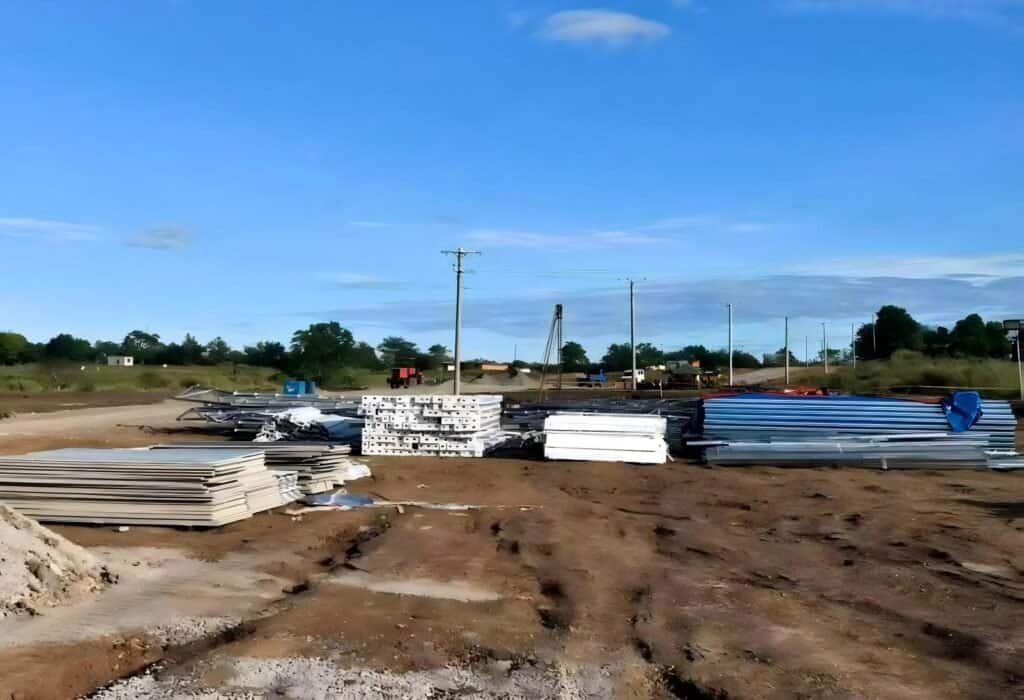
Installation requirements should be confirmed in advance. Depending on the system, the project may require foundations, cranes or other lifting equipment, local labor, electrical connections, and plumbing work.
Project cost should therefore include more than the building purchase price. Buyers should consider:
- Building specifications
- Quantity
- Customization
- Packaging
- International shipping
- Inland transportation
- Installation
- Site preparation
- Electrical and plumbing requirements
A slightly higher product price may sometimes result in a lower overall project cost if the system is easier to transport and install.
6. How to Choose a Reliable Modular Building Supplier
The supplier plays an important role in the success of an overseas oil and gas camp project.
Start by checking the manufacturer's factory and production capability. A reliable modular building supplier should be able to provide clear product specifications and explain how quality is controlled during production.
Previous overseas project experience is also valuable. Suppliers familiar with remote construction, energy, mining, or infrastructure projects are more likely to understand transportation, installation, climate, and project scheduling challenges.
Buyers should also compare:
- Manufacturing capability
- Product quality
- Customization options
- Production lead time
- Delivery capability
- Installation support
- Technical documentation
- After-sales service
Instead of selecting a supplier only because of the lowest quotation, compare the complete project solution.
7. Conclusion
A successful oil and gas camp needs more than temporary accommodation. It should provide a practical environment for workers while supporting the project's construction schedule and operational requirements.
Modular buildings can provide a flexible solution for remote energy projects by combining factory production, transportation efficiency, fast installation, and customizable layouts.
When selecting a container house or other modular accommodation system, consider the complete project from workforce requirements and site conditions to delivery, installation, and project cost.
If you are planning an oil and gas camp, provide your project location, workforce size, accommodation requirements, and expected delivery schedule. This information can help a modular building manufacturer recommend a suitable solution and prepare a more accurate quotation.
Frequently Asked Questions About Oil and Gas Camp Accommodation
1. What is oil and gas camp accommodation? +
2. Why are modular buildings suitable for oil and gas camps? +
3. What facilities can be included in an oil and gas camp? +
4. Are flat pack container houses suitable for remote oil and gas projects? +
5. How should modular buildings be adapted to different climates? +
6. Can modular oil and gas camps be expanded? +
7. What factors affect the cost of an oil and gas camp? +
8. How do I choose a reliable modular building supplier? +
Build Reliable Modular Camps for Remote Energy Projects
Planning an oil and gas project, remote worker camp, or energy construction site? Tell us your project location, workforce size, accommodation requirements, and installation schedule. We will help you choose the right modular accommodation solution for your project.
Project location, workforce requirements, site conditions and delivery schedule help us recommend the most suitable modular camp solution.
Why Are Some People Afraid to Buy Modular Homes? Real Concerns Explained
Based in China, Premium Modular House is a professional prefabricated housing manufacturer and global supplier of prefab house, modular house, moving house, portable house, and flat pack container house.
With over 22 years of experience, we focus on providing durable, customizable, and eco-friendly prefab building solutions with fast installation, strong steel structure, and high efficiency.
As a trusted China factory, we serve clients in 80+ countries, offering one-stop modular housing systems designed for construction sites, camps, offices, and temporary accommodation.
Premium Modular House is committed to building smarter, faster, and greener — delivering innovative designs, reliable quality, and sustainable housing for global markets.