
Products
Recommended for you

Send Your Inquiry
Building Worker Accommodation in Remote Areas of Southeast Asia: Transportation and Installation Solutions
Across Africa, humanitarian crises caused by conflicts, natural disasters, and displacement continue to create urgent demand for safe and reliable temporary accommodation.
When communities are forced to leave their homes due to emergencies, providing suitable shelter quickly becomes a critical challenge. Refugee camps, disaster response sites, and humanitarian projects often require large-scale accommodation solutions within a limited timeframe.
However, delivering emergency housing in these situations is not always easy. Many affected areas are located in remote regions with limited infrastructure, difficult transportation conditions, and insufficient local construction resources. Traditional construction methods may require longer preparation periods, more onsite labor, and complex logistics, making it difficult to respond quickly to urgent shelter needs.
For humanitarian organizations, governments, and relief agencies, the key challenge is finding a solution that can be deployed rapidly while still providing safe and functional living spaces.
Modular emergency shelters offer a practical approach by combining factory production, efficient transportation, and rapid installation. With scalable designs and flexible configurations, modular buildings can support different humanitarian applications, from refugee camps and disaster relief housing to temporary medical facilities and community shelters.
This article explores how modular buildings help accelerate emergency shelter deployment in Africa and provide reliable accommodation solutions for communities in need.
1. Why Is Worker Accommodation Challenging in Remote Areas of Southeast Asia?
Providing worker accommodation in remote areas of Southeast Asia is often more complicated than building facilities in urban locations. Many construction, mining, energy, and infrastructure projects are developed in areas where transportation networks, local resources, and construction conditions are limited.
For these projects, companies need accommodation solutions that can overcome location challenges while ensuring workers have safe and comfortable living facilities throughout the project period.
1.1 Difficult Transportation and Limited Infrastructure
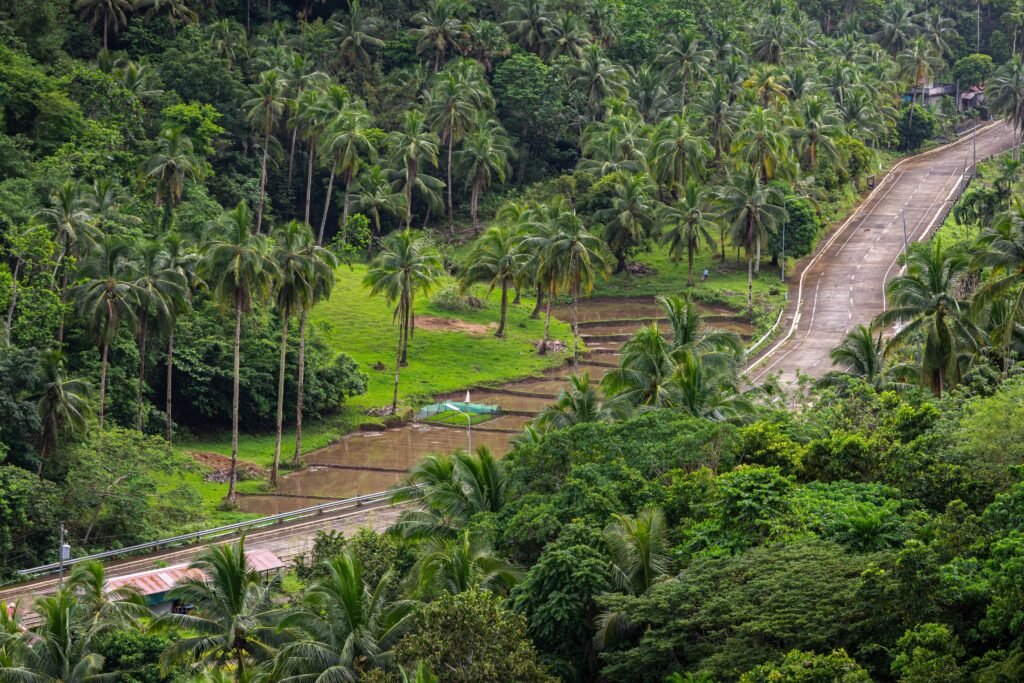
One of the biggest challenges of building worker accommodation in remote areas is transportation. Many projects are located far from major cities and construction supply centers, including:
- Remote islands
- Mining areas
- Mountain regions
- Developing industrial zones
In these locations, limited infrastructure can make traditional construction methods more difficult to implement. Transporting large quantities of raw materials, heavy equipment, and construction supplies to the project site may require complex logistics planning.
Common challenges include:
- Limited road access: Some project locations may not have suitable roads for transporting large construction materials and equipment.
- High transportation costs: Long-distance transportation and difficult access conditions can significantly increase logistics expenses.
- Difficult delivery of traditional building materials: Materials such as steel, concrete, and other construction components may require multiple transportation steps before reaching the final site.
These challenges can lead to longer construction periods, increased project costs, and greater dependence on local construction resources.
For remote projects, selecting a suitable remote area accommodation solution is essential. Modular worker accommodation can reduce transportation difficulties through factory prefabrication and optimized packaging, making it easier to deliver and install accommodation facilities in challenging locations.
1.2 Long Construction Time and Labor Shortages
Another challenge of developing worker accommodation in remote areas is the limited availability of local construction resources. Traditional construction methods often require a large onsite workforce, longer construction periods, and complex project management.
For remote projects, bringing skilled workers and construction teams to the site can increase project costs and create additional scheduling challenges. Weather conditions, transportation delays, and limited local labor availability may further affect construction progress.
At the same time, project owners need accommodation facilities to support daily operations, including:
- Worker housing for onsite employees
- Site offices for project management teams
- Supporting facilities such as dining areas and sanitary facilities
When accommodation construction takes too long, it can delay workforce deployment and affect the overall project schedule.
For this reason, many companies are looking for faster and more efficient worker accommodation solutions that can reduce onsite construction work while providing reliable facilities for different project requirements.
1.3 Changing Project Requirements
Remote construction projects often change throughout their development cycle. Workforce requirements may increase, project timelines may be extended, or project locations and site layouts may need to be adjusted.
For example, a mining or energy project may start with a small team during the early stage and require additional accommodation as operations expand. Similarly, temporary construction sites may need to relocate when project phases change.
Therefore, worker accommodation solutions need to provide greater flexibility, including:
- Easy expansion: Additional accommodation units can be added when worker numbers increase.
- Relocation capability: Facilities can be moved and reused for different project locations.
- Long-term usability: Buildings can continue to serve future projects and changing operational needs.
Compared with traditional construction, modular worker accommodation provides more flexibility for projects with uncertain future requirements. Its modular design allows companies to adjust accommodation capacity according to actual project conditions.
2. What Are the Key Requirements for Remote Worker Accommodation?
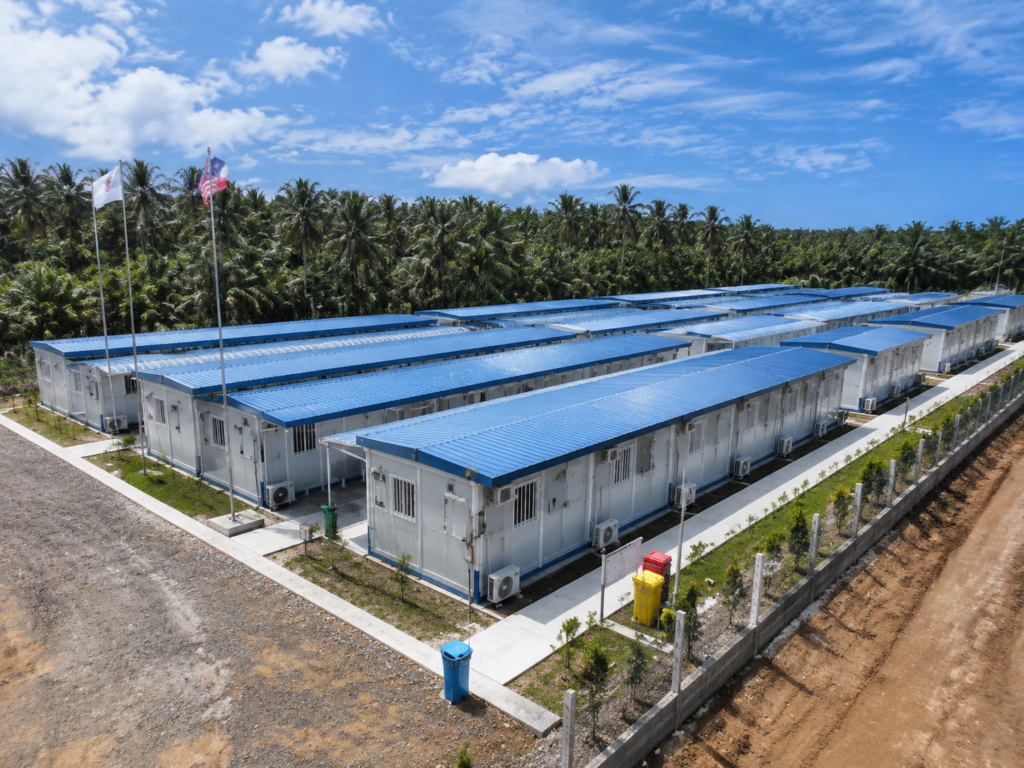
Choosing the right worker accommodation solution for remote projects requires more than providing basic living space. The accommodation must be designed to overcome transportation limitations, reduce installation challenges, and perform reliably under local environmental conditions.
For construction, mining, and energy projects in Southeast Asia, an effective remote accommodation solution should provide efficient transportation, fast installation, and long-term durability to support continuous project operations.
2.1 Easy Transportation
Transportation is one of the most important considerations for worker accommodation in remote areas. Since many projects are located in islands, mining areas, or regions with limited infrastructure, accommodation solutions need to be designed for efficient delivery.
A suitable remote accommodation solution should:
- Reduce transportation difficulties
- Optimize shipping space
- Adapt to different transportation conditions
Compared with traditional construction materials that require multiple deliveries, modular accommodation units can be prefabricated and transported more efficiently.
A Flat Pack Container House is a practical option for remote projects because of its space-saving design and transportation advantages.
Key benefits include:
- Compact transportation: Flat-packed structures reduce shipping space requirements.
- Container shipping compatibility: Units can be transported through standard container shipping methods.
- Suitable for remote locations: The design helps simplify delivery to areas with limited access.
This makes flat pack container houses especially suitable for island projects, temporary accommodation, and remote construction sites.
2.2 Fast Installation
For remote projects, construction speed is often a critical factor. Delays in accommodation construction can affect worker deployment and slow down overall project progress.
Traditional construction usually requires extensive onsite work, including material preparation, construction processes, and a large labor team.
Modular worker accommodation provides a faster alternative through:
- Factory production before delivery: Major components are manufactured and prepared in advance.
- Less onsite construction work: Installation mainly focuses on assembly and connection.
- Faster project operation: Workers can move into completed facilities sooner.
For projects with strict timelines, a fast installation process helps reduce construction pressure and allows companies to start operations more efficiently.
2.3 Durability for Southeast Asian Climate Conditions
Remote worker accommodation in Southeast Asia must be able to withstand challenging climate conditions. Many project locations experience heavy rainfall, high humidity, tropical temperatures, and strong sunlight throughout the year.
Therefore, accommodation buildings should consider:
- Structural strength: The building structure should remain stable under different environmental conditions.
- Material quality: Durable materials help improve service life and reduce maintenance requirements.
- Weather resistance: Building components should be designed to handle moisture, heat, and changing weather conditions.
For long-term projects, selecting a durable modular accommodation solution can help maintain safe and comfortable living conditions while reducing future maintenance costs.
3. Why Are Flat Pack Container Houses Suitable for Remote Projects?
For remote construction, mining, and energy projects, transportation and installation efficiency are two of the most important factors when selecting accommodation solutions.
Traditional construction methods often require large quantities of building materials, multiple transportation processes, and extensive onsite work, which can be challenging in areas with limited infrastructure.
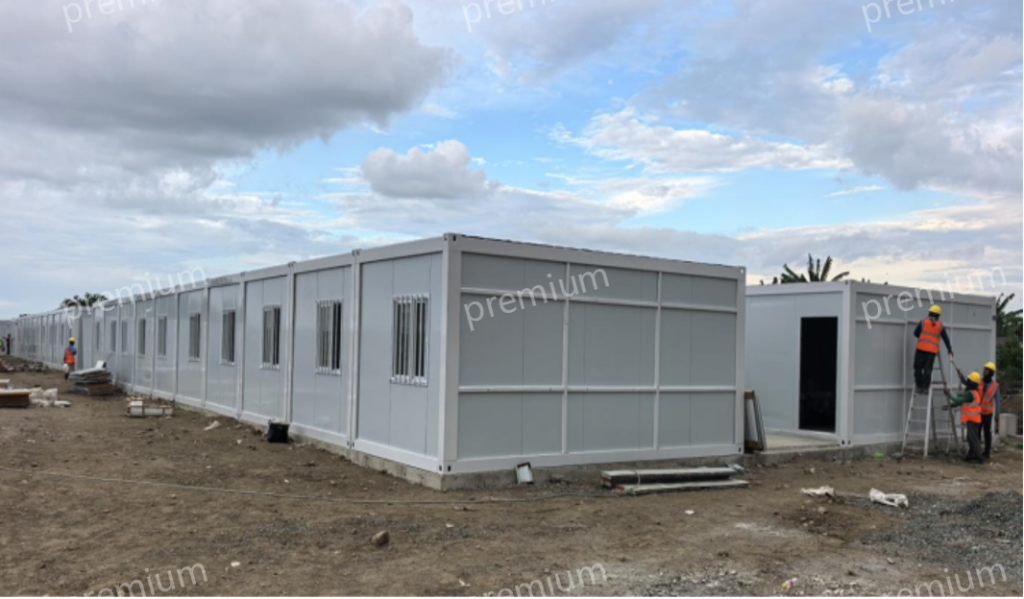
A Flat Pack Container House provides a more efficient alternative by combining space-saving transportation, faster installation, and flexible applications for different remote project scenarios.
3.1 Space-Efficient Transportation
Transportation is a major challenge for projects located in remote areas. Traditional buildings usually require large amounts of materials to be transported separately, including steel structures, wall materials, and other construction components.
This can result in:
- Higher transportation costs
- More complex logistics planning
- Longer material delivery times
Flat pack container houses are designed for more efficient transportation. Their compact packaging structure helps reduce shipping volume and improves logistics efficiency.
Key advantages include:
- Efficient transportation: Components are designed to be packed and transported in an organized way.
- Reduced shipping volume: Flat-packed design helps maximize container loading efficiency.
- Suitable for long-distance delivery: The solution is ideal for overseas and remote project transportation.
For Southeast Asia projects, especially islands and remote construction sites, efficient transportation can significantly reduce project difficulties before installation begins.
3.2 Quick On-Site Assembly
Another important advantage of flat pack container houses is the simplified installation process. Since major components are manufactured and prepared in advance, onsite construction work can be completed more efficiently.
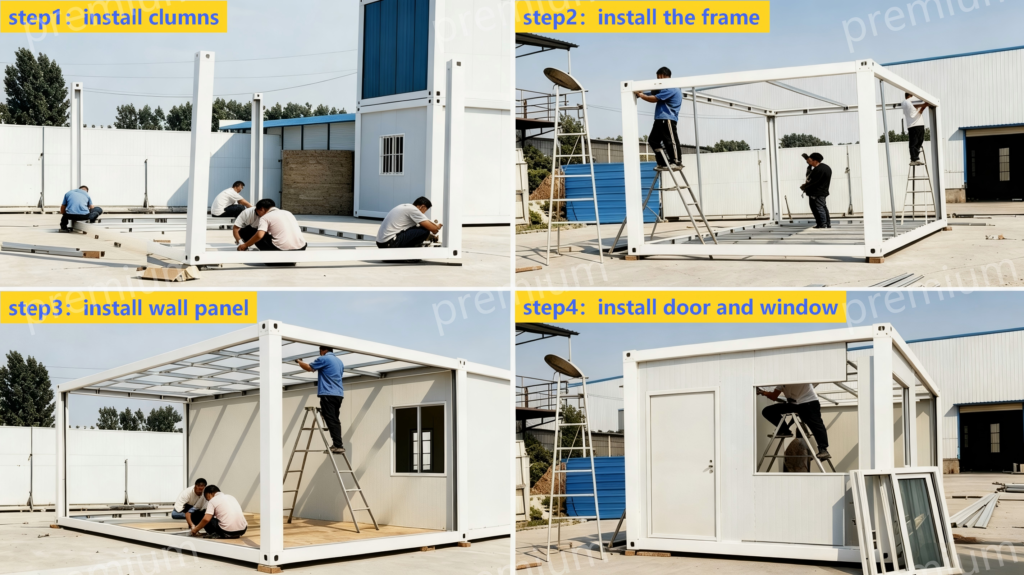
The typical installation process includes:
- Preparing the foundation
- Assembling the main structure
- Installing wall panels and facilities
- Completing interior finishing
Compared with traditional construction methods, flat pack container houses require less onsite labor and reduce construction complexity.
The main benefits include:
- Reduced onsite workload: Less dependence on large construction teams and local labor resources.
- Shorter installation time: Accommodation facilities can be completed faster.
- Easier project management: A standardized installation process helps improve construction efficiency.
This makes flat pack container houses suitable for projects that require rapid deployment and reliable accommodation solutions.
3.3 Flexible Applications
One of the key benefits of flat pack container houses is their ability to adapt to different project environments and accommodation requirements.
They can be widely used for:
- Mining camps
- Construction camps
- Oil & gas projects
- Renewable energy projects
- Remote industrial sites
Whether the project requires temporary worker accommodation or long-term site facilities, flat pack container houses can be configured based on workforce size, site conditions, and operational needs.
With flexible layouts and efficient installation, they provide a practical remote area accommodation solution for companies operating in challenging locations.
4. From Factory to Remote Site: How Modular Accommodation Is Delivered and Installed
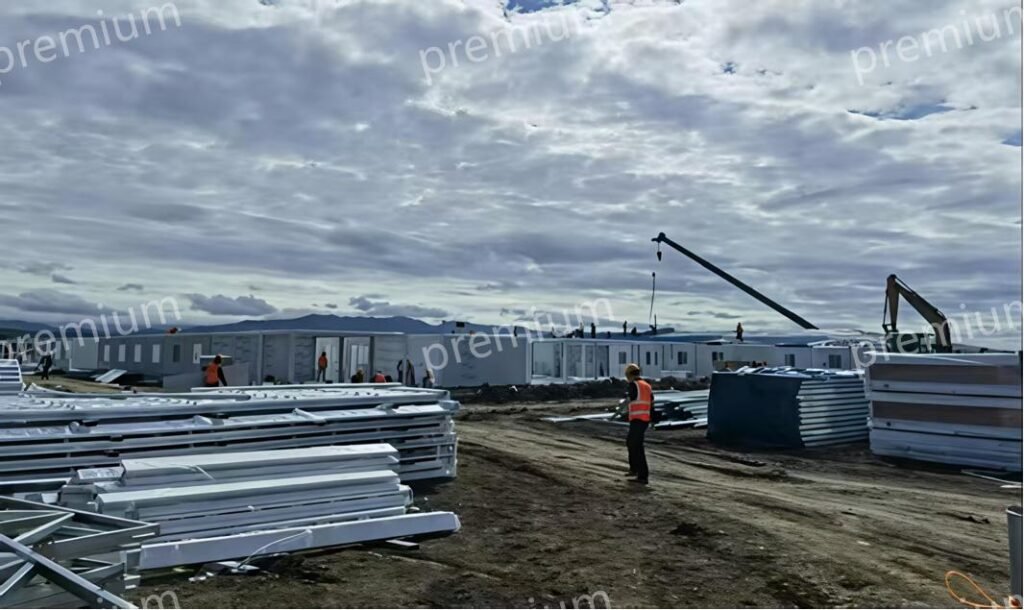
One of the main advantages of modular accommodation is the ability to complete much of the production process before the units arrive at the project site.
Compared with traditional construction methods, modular buildings reduce onsite work by shifting more processes to a controlled factory environment. From manufacturing and transportation to final installation, each step is planned to improve efficiency and reduce project delays.
The typical delivery and installation process includes the following stages.
4.1 Factory Manufacturing
The modular accommodation production process starts in the factory, where major components are manufactured and prepared before transportation.
The main production steps include:
- Steel structure manufacturing: The main frame is produced to ensure structural strength and stability.
- Wall panel production: Wall systems are manufactured according to project requirements and climate conditions.
- Electrical and plumbing preparation: Essential systems are prepared in advance to reduce onsite installation work.
- Quality inspection: Each component is checked before delivery to ensure consistent quality.
Factory manufacturing allows better quality control and helps reduce the construction workload at remote project locations.
4.2 Transportation to Project Site
After production and inspection, modular accommodation units are transported to the project location.
Depending on the project environment, transportation methods may include:
- Container shipping: Suitable for overseas projects and island locations.
- Truck transportation: Used for inland transportation and accessible project sites.
- Remote site delivery: Requires detailed logistics planning for challenging locations.
Before transportation, companies need to consider:
- Distance: Longer transportation routes may require additional planning.
- Site accessibility: Road conditions and delivery access should be evaluated in advance.
- Logistics planning: Proper scheduling helps avoid delays during transportation.
For remote projects, efficient transportation planning is essential to ensure accommodation units arrive safely and can be installed quickly.
4.3 On-Site Installation
Once the modular units arrive at the project site, installation can begin with a relatively simple assembly process.
Typical installation steps include:
- Foundation preparation
- Structural assembly
- Module connection
- Interior completion
Compared with traditional construction, modular installation requires less onsite construction work and can significantly reduce installation time.
A well-planned installation process allows worker accommodation facilities to become operational faster, helping project teams maintain productivity in remote locations.
4.4 Ready for Operation
After installation is completed, modular accommodation facilities can be quickly put into operation.
Depending on project requirements, they can be used as:
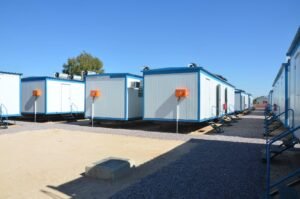
- Worker dormitories
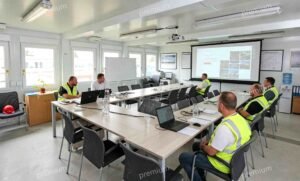
- Site offices
- Dining facilities
- Supporting buildings
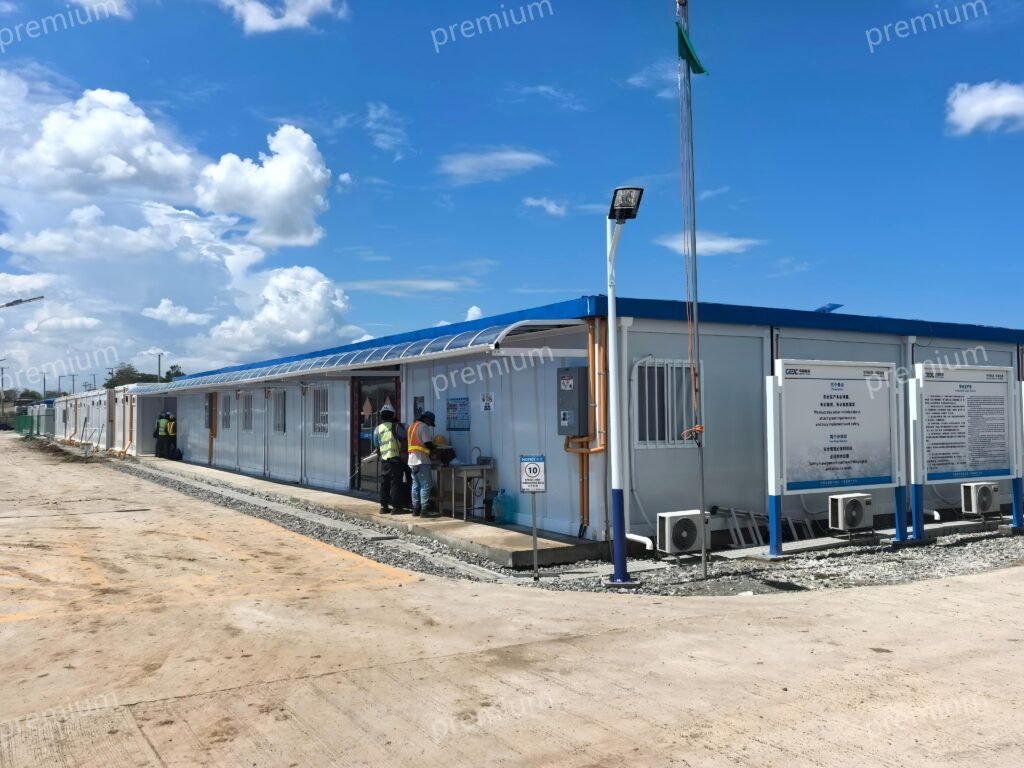
With flexible layouts and fast deployment, modular accommodation provides a practical solution for construction, mining, energy, and infrastructure projects that require reliable facilities in remote areas.
5. Applications of Modular Worker Accommodation in Southeast Asia
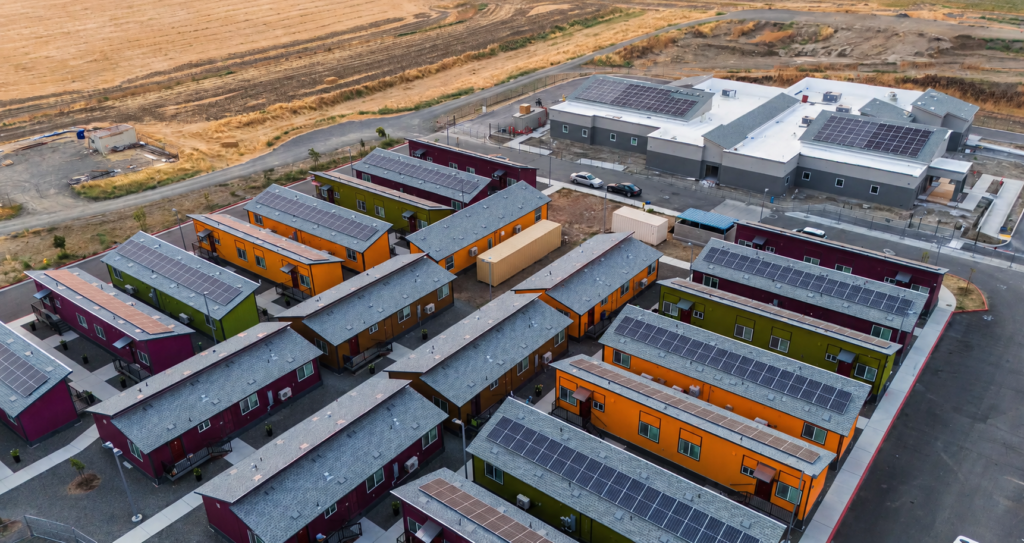
Across Southeast Asia, many large-scale projects are located in remote areas where traditional accommodation construction can be difficult and time-consuming.
From mining and oil & gas developments to infrastructure and renewable energy projects, companies need reliable accommodation solutions that can support workers in challenging environments.
Modular worker accommodation provides flexible options for different industries by offering faster deployment, efficient transportation, and adaptable layouts based on project requirements.
5.1 Mining Projects
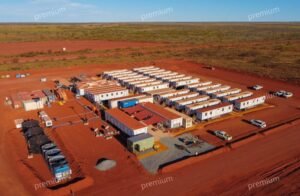
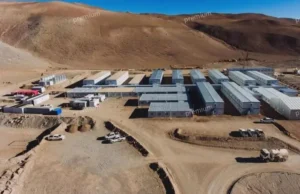
Mining projects are often located in remote areas with limited infrastructure, making worker accommodation a key challenge during project development.
Mining camps typically require:
- Large workforce accommodation: Providing living facilities for workers, engineers, and site management teams.
- Remote location adaptability: Accommodation solutions must operate effectively in isolated areas with challenging conditions.
- Long-term usage: Mining operations often require durable facilities that can support extended project periods.
Modular mining camp accommodation can provide a practical solution by combining strong structures, flexible layouts, and efficient installation methods.
5.2 Oil & Gas Projects
Oil and gas projects often operate in remote locations where reliable accommodation facilities are essential for continuous operations.
Key requirements include:
- Reliable accommodation: Providing safe and comfortable living conditions for onsite workers.
- Fast deployment: Accommodation needs to be installed quickly to support project schedules.
- Safe living environment: Facilities should meet operational and safety requirements for workers.
Modular accommodation solutions help oil and gas companies establish worker facilities efficiently, especially in locations where traditional construction is difficult.
5.3 Infrastructure Projects
Infrastructure development is growing rapidly across Southeast Asia, with many projects requiring temporary or long-term worker accommodation.
Common applications include:
- Road construction projects
- Bridge construction
- Railway development
- Industrial construction sites
These projects often involve changing work locations and strict construction schedules. Modular worker accommodation allows companies to quickly provide accommodation and site facilities while adapting to different project phases.
5.4 Renewable Energy Projects
Renewable energy projects are often developed in remote locations where access to accommodation and basic facilities can be limited.
Common applications include:
- Solar farms
- Wind power projects
- Remote energy sites
For these projects, modular accommodation provides a flexible solution that can be transported efficiently and installed near the work area.
By supporting worker housing and onsite facilities, modular solutions help renewable energy projects maintain smooth operations even in challenging locations.
6. How to Choose the Right Modular Accommodation Supplier?
Choosing the right modular accommodation supplier is an important step for companies developing projects in remote areas of Southeast Asia.
A reliable supplier should not only provide quality accommodation units but also have the manufacturing capability, customization experience, and international project support needed to ensure smooth project delivery.
Before making a decision, project owners and contractors should consider the following factors.
6.1 Manufacturing Capability
A supplier’s manufacturing capability directly affects product quality, delivery time, and project reliability.
Important factors to consider include:
- Factory capacity: A supplier with sufficient production capacity can better support large-scale projects and tight delivery schedules.
- Production quality: Professional manufacturing processes help ensure consistent product performance.
- Quality control system: Strict inspections during production reduce potential issues during transportation and installation.
For remote projects, working with a manufacturer that has strong production capabilities can help ensure accommodation units are delivered on time and meet project requirements.
6.2 Customization Ability
Different projects have different accommodation requirements depending on workforce size, site conditions, and operational needs.
A suitable modular accommodation supplier should be able to provide:
- Layout design: Customized floor plans based on accommodation, office, and facility requirements.
- Accommodation capacity: Solutions for different workforce sizes, from small teams to large project camps.
- Project-specific requirements: Adaptations for different climates, industries, and site conditions.
Flexible customization allows companies to create more efficient and practical accommodation solutions for their projects.
6.3 International Delivery and Installation Support
For overseas projects, supplier support does not end after manufacturing. International delivery and installation assistance are also important factors.
Companies should consider:
- Export experience: Familiarity with international shipping processes and overseas project requirements.
- Logistics support: Assistance with transportation planning and delivery coordination.
- Technical guidance: Support during installation to ensure smooth project completion.
A supplier with international project experience can help reduce risks and improve efficiency throughout the entire delivery process.
Conclusion: Building Reliable Worker Accommodation in Southeast Asia
For remote projects in Southeast Asia, providing worker accommodation requires solutions that can overcome transportation challenges, limited infrastructure, and strict project schedules.
Traditional construction methods may face difficulties in remote locations, while modular accommodation solutions provide a faster and more flexible approach.
Especially for projects requiring efficient transportation and quick deployment, Flat Pack Container Houses offer a practical option for building reliable worker housing in challenging environments.
With factory prefabrication, optimized transportation, and simplified installation, modular worker accommodation can support construction, mining, energy, and infrastructure projects across Southeast Asia.
Frequently Asked Questions About Remote Worker Accommodation Solutions
Why is worker accommodation challenging in remote areas of Southeast Asia?
Why are modular worker accommodation solutions suitable for remote projects?
How does a Flat Pack Container House help with remote project transportation?
How long does it take to install modular worker accommodation?
Can modular accommodation withstand Southeast Asia climate conditions?
What types of projects use modular worker accommodation in Southeast Asia?
Can modular worker accommodation be expanded or relocated?
How do I choose the right modular accommodation supplier?
Get the Right Modular Construction Camp Solution for Your Project
Planning a mining camp, remote construction site, oil & gas project or workforce accommodation facility? Tell us your project location, workforce size, application requirements and installation schedule. We will help you choose the most suitable modular construction camp solution based on your site conditions and transportation requirements.
Project drawings, workforce requirements and site conditions can help us recommend the most suitable modular camp layout.
Why Are Some People Afraid to Buy Modular Homes? Real Concerns Explained
Based in China, Premium Modular House is a professional prefabricated housing manufacturer and global supplier of prefab house, modular house, moving house, portable house, and flat pack container house.
With over 22 years of experience, we focus on providing durable, customizable, and eco-friendly prefab building solutions with fast installation, strong steel structure, and high efficiency.
As a trusted China factory, we serve clients in 80+ countries, offering one-stop modular housing systems designed for construction sites, camps, offices, and temporary accommodation.
Premium Modular House is committed to building smarter, faster, and greener — delivering innovative designs, reliable quality, and sustainable housing for global markets.