
Insights for Smarter Container House Projects
Products
Recommended for you

Send Your Inquiry
How to Choose a Reliable Modular Building Supplier for Overseas Projects
Choosing the right modular building supplier is one of the most important decisions for an overseas construction project. The supplier you choose can affect product quality, project cost, delivery time, installation, and long-term maintenance.
For projects in Southeast Asia, the Middle East, and Africa, these factors become even more important. Remote locations, long shipping distances, demanding climates, and tight construction schedules can increase project risks.
Whether you need a container house, worker accommodation, a modular office, or a complete construction camp, this guide explains what to look for in a reliable supplier and how to compare different manufacturers before placing an order.
1. Why Choosing the Right Modular Building Supplier Matters
A modular building project involves more than buying prefabricated units. It also involves engineering, manufacturing, transportation, installation, and project coordination.
A reliable supplier should be able to support the project from the initial design stage through delivery and installation.
1.1 Quality and Project Reliability
Check the supplier's structural materials, welding quality, wall panels, insulation, roofing system, doors, windows, electrical components, and interior finishes.
For overseas projects, replacing defective components can be expensive and time-consuming. Good quality control at the factory can help reduce these risks.
1.2 Delivery and International Logistics
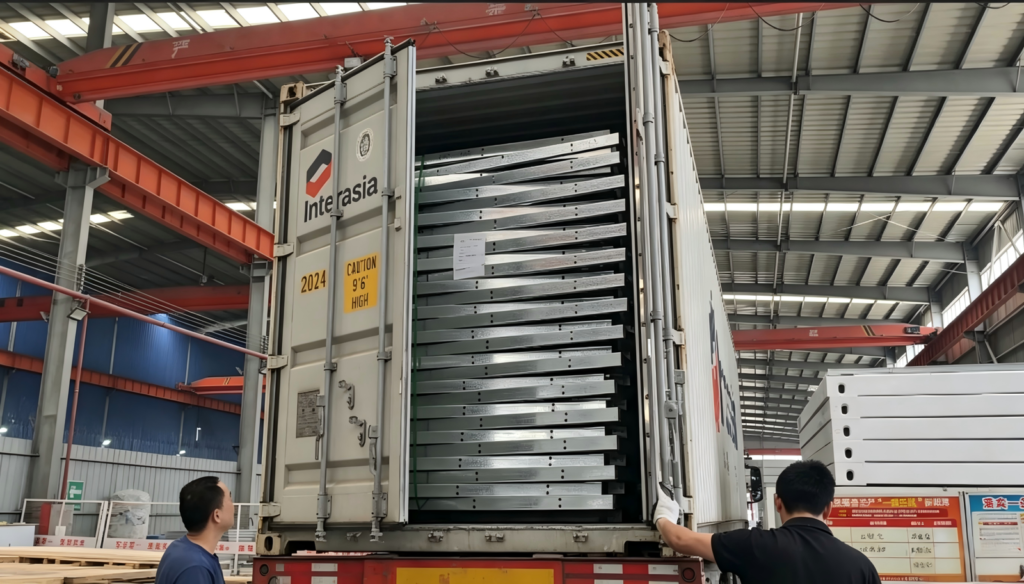
Production is only one part of the schedule. The supplier should also understand international shipping, container loading, packaging, documentation, and delivery requirements.
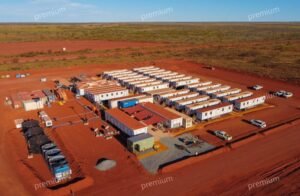
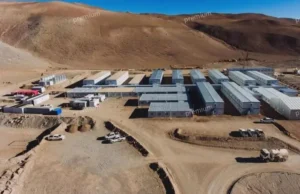
This is particularly important for remote construction camps, mining sites, and energy projects where transportation may involve several stages.
1.3 Installation and After-Sales Support
Ask what technical support is available after the products arrive.
Depending on the project, support may include installation drawings, assembly instructions, remote technical assistance, spare parts, and troubleshooting.
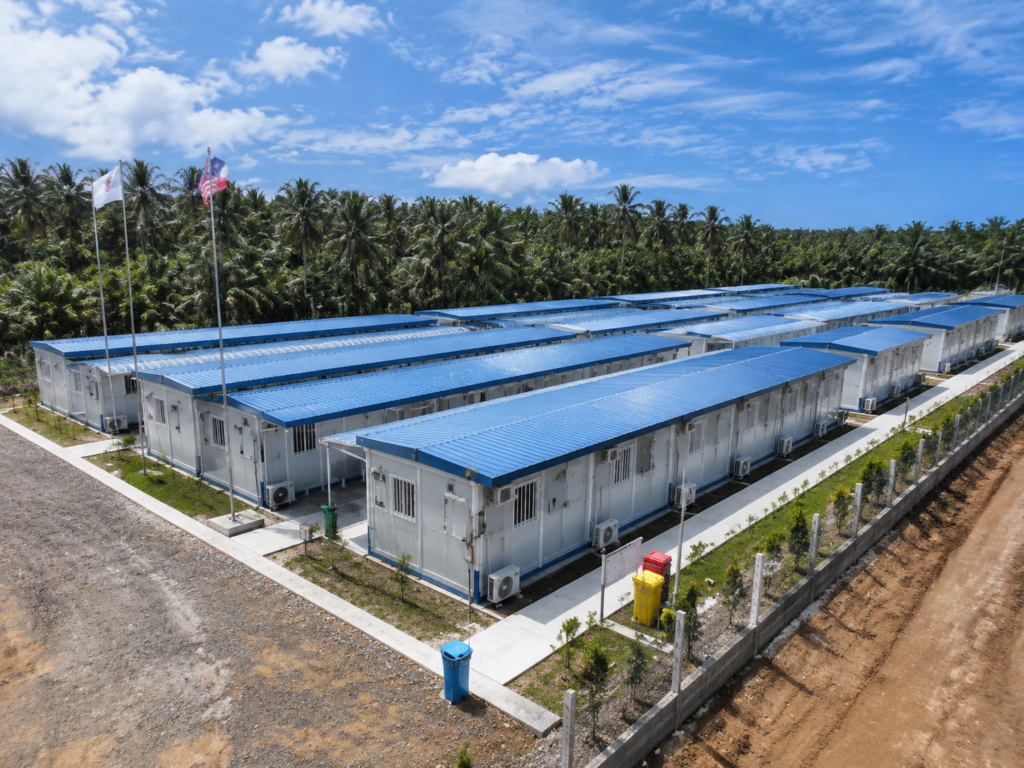
2. What to Look for in a Reliable Modular Building Manufacturer
Not every company selling modular buildings has the same manufacturing capability. Before making a decision, investigate the supplier behind the product.
2.1 Check the Factory and Manufacturing Capability
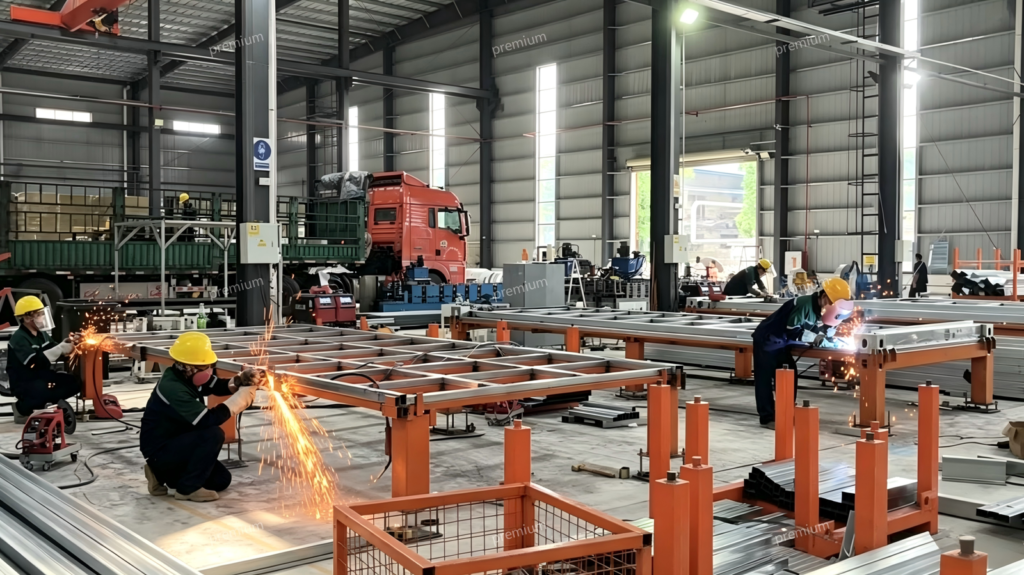
A professional modular building manufacturer should have a clear production process and quality control system.
Look for:
- Manufacturing facilities and equipment
- Steel processing and welding capabilities
- Standardized production procedures
- Quality inspection
- Production capacity
- Packaging and loading experience
A factory with its own production capability may also provide better control over customization and delivery schedules.
2.2 Review the Product Range
A supplier with multiple modular solutions can be more useful when project requirements change.
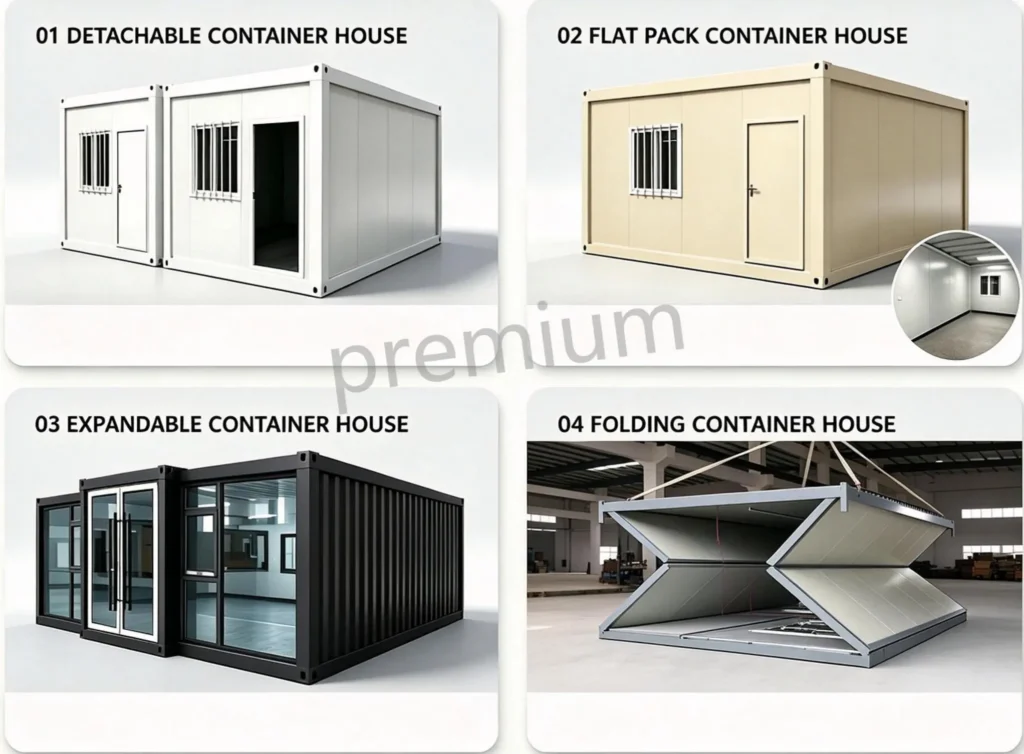
Depending on the application, solutions may include a prefab container house, flat pack units, folding buildings, expandable units, modular offices, kitchens, bathrooms, and worker accommodation.
The important point is not simply having many products. The supplier should be able to recommend the right system based on the project's location, budget, quantity, and intended use.
2.3 Look at Overseas Project Experience
Ask for previous project references, especially projects similar to yours.
For example, if you are developing a worker accommodation camp in a remote area, experience with large-scale accommodation projects is more relevant than experience with small residential buildings.
3. Understand the Types of Modular Buildings Before You Buy
Before comparing suppliers, understand which type of modular building fits your project. Different modular systems are designed for different transportation conditions, installation requirements, space requirements, and applications.
3.1 Flat Pack Container House
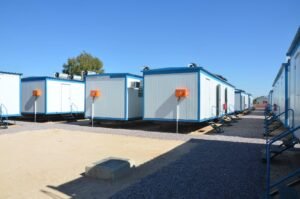
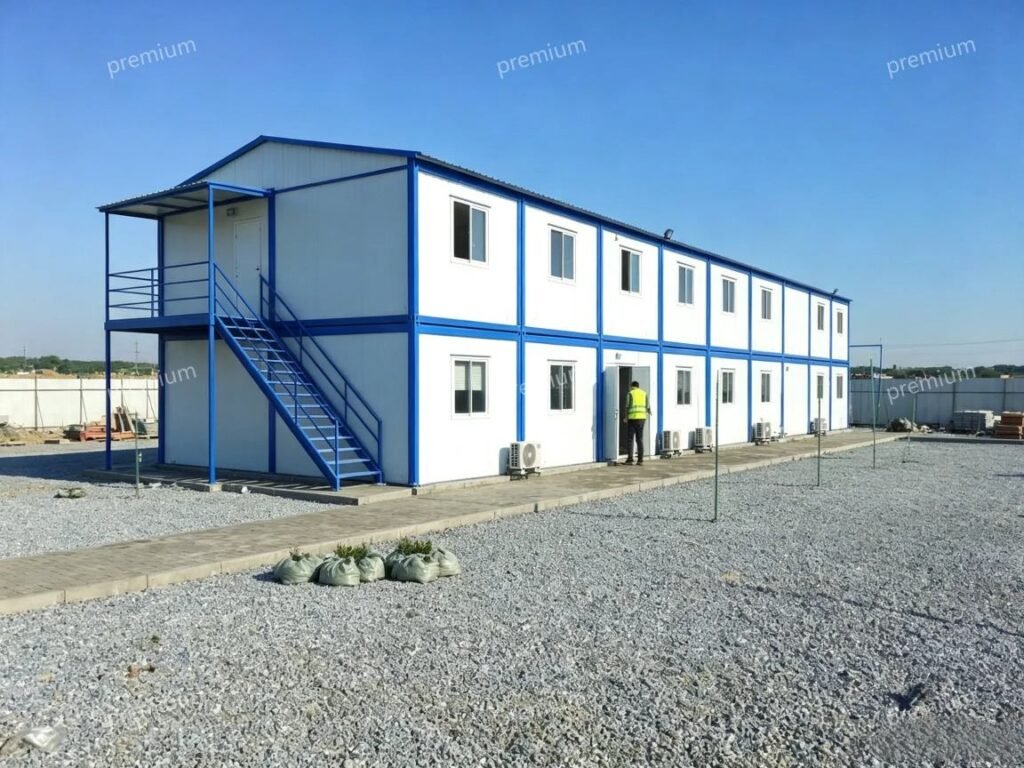
A flat pack container house is designed for efficient transportation and relatively fast assembly. It is commonly used for construction camps, worker accommodation, offices, and temporary facilities.
3.2 Folding Container House
A folding container house can be folded during transportation and quickly opened at the project site. It can be useful when fast deployment and transportation efficiency are important.
3.3 Expandable Container House
An expandable container house provides additional usable space after deployment. It can be considered for offices, accommodation, reception areas, and other applications where more interior space is required.
3.4 Detachable Container House
Detachable systems can be assembled into larger buildings and are often considered for larger construction camps and long-term project facilities.
The best option depends on transportation conditions, project duration, required space, and installation requirements.
4. How to Evaluate a Supplier's Product Quality
Price should never be the only factor when comparing manufacturers. Product quality can directly affect installation, durability, maintenance, and the overall performance of an overseas modular building project.
4.1 Check Structural Materials
Ask about the steel grade, frame design, welding process, corrosion protection, and structural specifications.
For overseas projects, the building should be selected according to local environmental and project requirements.
4.2 Review Insulation and Weather Protection
Climate can significantly affect building performance.
For hot regions such as Saudi Arabia or parts of Africa, thermal insulation and ventilation are important. In tropical Southeast Asia, waterproofing, drainage, corrosion resistance, and moisture control also require attention.
4.3 Check Interior and Building Services
For accommodation projects, review:
- Flooring
- Wall finishes
- Doors and windows
- Electrical systems
- Lighting
- Plumbing
- Bathrooms
- Air conditioning provisions
Make sure the quotation clearly defines the specifications instead of comparing suppliers only by the total price.
5. How Much Does a Modular Building Cost?
The price of a modular building depends on much more than the size of the unit. Different specifications, quantities, customization requirements, transportation conditions, and installation requirements can all affect the final project cost.
5.1 What Affects the Price?
Common cost factors include:
- Building size
- Order quantity
- Structural specifications
- Insulation
- Interior finishes
- Electrical and plumbing systems
- Customization
- Packaging
- Shipping
- Installation
- Project location
A low factory price does not necessarily mean a lower total project cost.
For example, a cheaper product may require more site work, additional components, or more expensive transportation.
5.2 Compare the Complete Project Cost
When comparing modular buildings for sale, ask suppliers to provide a clear breakdown of what is included.
The quotation should ideally identify:
- Product specifications
- Quantity
- Optional items
- Packaging
- Shipping terms
- Installation scope
- Delivery schedule
- Warranty or after-sales support
This makes it easier to compare different offers on the same basis.
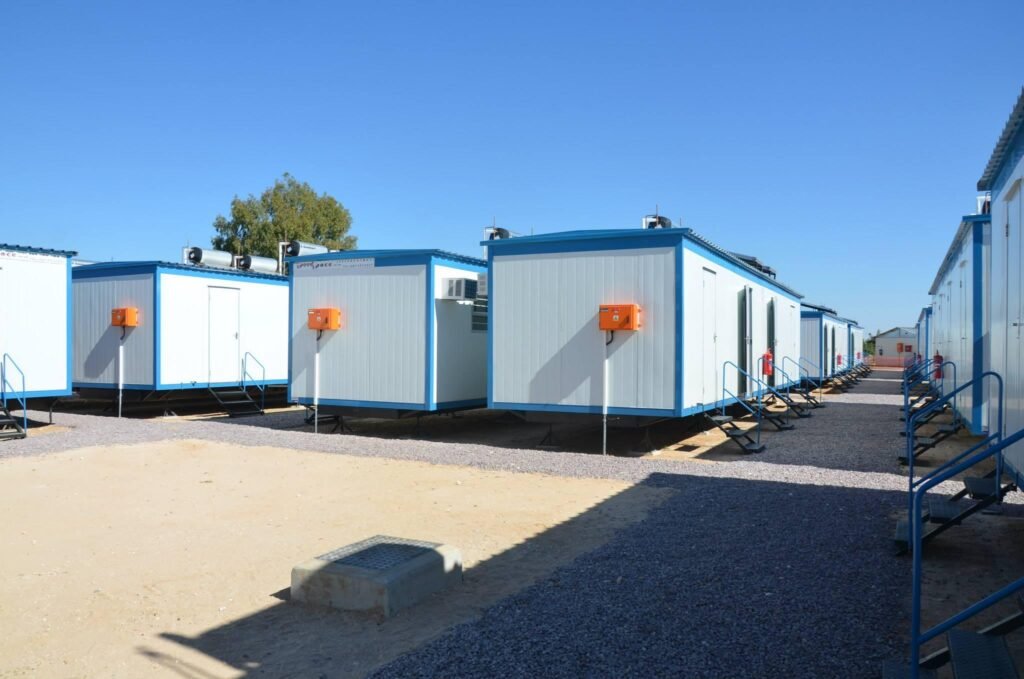
6. How to Compare Modular Building Suppliers
A simple supplier checklist can help project teams make a more objective decision. Instead of focusing only on the initial quotation, buyers should compare the supplier's manufacturing capability, product quality, delivery performance, technical support, and overall project experience.
| Factor | What to Check |
|---|---|
| Factory | Production capability and capacity |
| Product | Technical specifications |
| Quality | Materials and inspection |
| Price | Complete project cost |
| Delivery | Production lead time |
| Logistics | Export and shipping experience |
| Installation | Technical support |
| Customization | Layout and specification options |
| Service | Warranty and after-sales support |
| Experience | Similar overseas projects |
Do not select a manufacturer based only on the lowest quotation. The right supplier should offer a balance between quality, price, delivery, technical support, and project reliability.
7. What Overseas Buyers Should Prepare Before Ordering
A supplier can provide a more accurate solution when the buyer provides clear project information. Before requesting a quotation, prepare the basic details of your project so the manufacturer can evaluate the requirements and recommend a suitable modular building solution.
7.1 Project Location and Climate
Tell the supplier where the buildings will be installed. Climate conditions can affect insulation, roofing, ventilation, corrosion protection, and other specifications.
7.2 Quantity and Building Size
Provide the estimated number of buildings, room sizes, floor area, and number of occupants.
7.3 Layout and Functional Requirements
Explain whether the buildings will be used for accommodation, offices, dining, sanitation, storage, or other purposes.
7.4 Delivery and Installation Requirements
Provide the expected delivery date, site conditions, access restrictions, and whether local installation teams are available.
The more complete the project information, the easier it is for a modular building supplier to prepare an accurate proposal.
8. A Practical Buying Checklist
Before placing an order, make sure you have reviewed the key factors that can affect product quality, project cost, delivery, installation, and long-term use.
- Supplier manufacturing capability
- Product specifications
- Structural materials
- Insulation and weather protection
- Customization options
- Production lead time
- Shipping and packaging
- Installation requirements
- Warranty and after-sales service
- Total project cost
This checklist can help overseas buyers compare different suppliers more objectively and reduce misunderstandings between the buyer and manufacturer before production begins.
9. How to Choose the Right Supplier for Your Project
The best modular building supplier is not necessarily the company offering the lowest price.
Instead, evaluate the complete supply chain and consider how well the supplier can support your project from manufacturing to final installation.
A reliable manufacturer should be able to demonstrate:
- Stable manufacturing capability
- Clear product specifications
- Consistent quality control
- Overseas project experience
- Practical logistics solutions
- Technical installation support
- Transparent quotations
- Responsive communication
For large construction, mining, energy, and infrastructure projects, these factors can have a significant impact on the overall project schedule and cost.
If you are comparing suppliers, start with the project requirements rather than the product price. Define the location, quantity, layout, specifications, delivery schedule, and installation requirements first. Then compare manufacturers on the same basis.
Conclusion
Choosing a reliable modular building supplier is about more than finding a competitive price. For overseas projects, buyers should evaluate quality, manufacturing capability, product options, logistics, installation, customization, and after-sales support together.
Whether you need a prefab container house for worker accommodation or a complete modular camp for a construction, mining, or energy project, a clear supplier evaluation process can help reduce project risks.
If you are planning an overseas modular building project, provide your project location, required quantity, layout, and basic specifications to your supplier. This allows the manufacturer to recommend a suitable solution and prepare a more accurate quotation.
Frequently Asked Questions About Modular Building Suppliers
1. How do I choose a reliable modular building supplier? +
2. What should I check before choosing a modular building manufacturer? +
3. How much does a prefab container house cost? +
4. What types of container houses are available? +
5. What should be included in a modular building quotation? +
6. How long does it take to manufacture a modular building? +
7. Can modular buildings be customized for overseas projects? +
8. Does the supplier provide shipping and installation support? +
Find the Right Modular Building Solution for Your Project
Planning an overseas construction, mining, energy or infrastructure project? Tell us your project location, building requirements, quantity and delivery schedule. Our team can help you choose a suitable modular building solution and prepare a project quotation.
Project location, quantity, layout and basic specifications help us recommend the most suitable modular building solution.
Why Are Some People Afraid to Buy Modular Homes? Real Concerns Explained
Based in China, Premium Modular House is a professional prefabricated housing manufacturer and global supplier of prefab house, modular house, moving house, portable house, and flat pack container house.
With over 22 years of experience, we focus on providing durable, customizable, and eco-friendly prefab building solutions with fast installation, strong steel structure, and high efficiency.
As a trusted China factory, we serve clients in 80+ countries, offering one-stop modular housing systems designed for construction sites, camps, offices, and temporary accommodation.
Premium Modular House is committed to building smarter, faster, and greener — delivering innovative designs, reliable quality, and sustainable housing for global markets.